


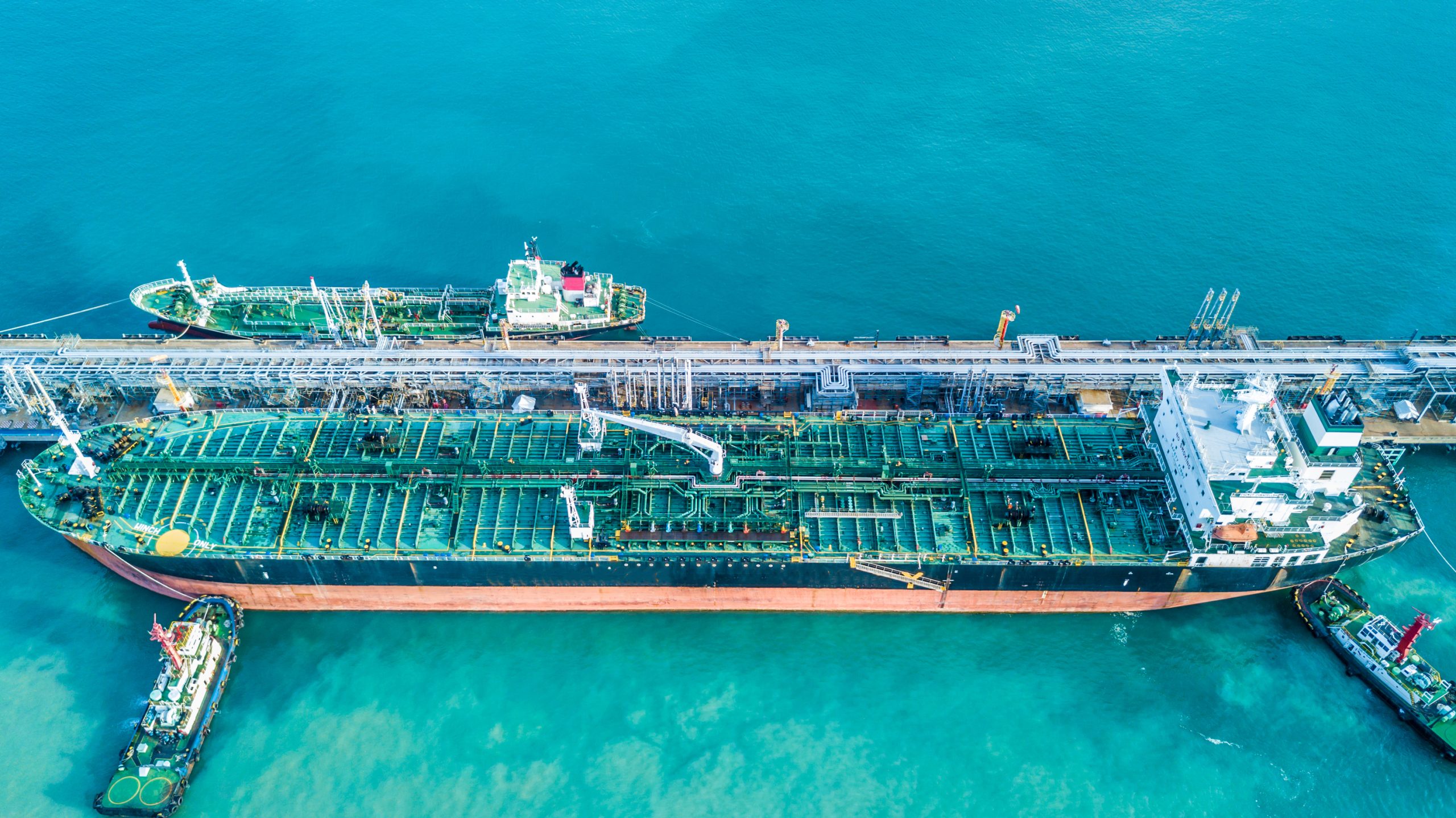
Each attack on Red Sea shipping now ripples through global fuel markets
23 October 2026
Every energy shock has its headline number, and this one is no exception. Brent crude traded at around $114 a barrel on Friday, heading for a third straight weekly gain after Yemen’s Houthis claimed fresh strikes on Saudi Arabia, including the Red Sea port of Yanbu. Since Iran’s closure of the Strait of Hormuz, Yanbu has become the kingdom’s principal exit for oil, which is why each attack there sends a shiver through the market.
Yet the price on the trading screens tells only half the story. The real strain sits further along the chain, in the fuel that does the heavy lifting.
The middle of the barrel
Diesel – or gasoil, as the trade knows it – is the least glamorous product a refinery makes and arguably the most important. It powers lorries, freight trains, ships, combine harvesters and mining equipment. Across much of Africa it also runs the generators that bridge the gap when the grid falls short. When diesel tightens, the cost of moving and making almost everything rises with it.

Diesel does the heavy lifting – and when it tightens, everything costs more to move

And diesel has tightened dramatically. The International Energy Agency’s October Oil Market Report, published on 14 October, warns that diesel and gasoil markets will remain under pressure into 2027. Even if refineries raise runs quickly before the year is out, the agency expects output to fall short of consumption in the fourth quarter, leaving little prospect of inventories recovering before the second half of next year.
The numbers are stark. Global diesel exports in September were 700,000 barrels a day lower than a year earlier. Diesel refining margins – the premium the fuel commands over the crude from which it is distilled – climbed to record highs approaching $100 a barrel in September. At the pump, the average American motorist is paying more than $6 a gallon for diesel, roughly three-quarters more than a year ago, while EU averages have set records above €2.20 a litre.

US diesel is above $6 a gallon; EU averages have set records above €2.20 a litre

A refining problem, not an oil problem

The shortfall lies in refining capacity, not in oil coming out of the ground

The striking feature of this crisis is that crude and diesel have parted company. Middle Eastern crude exports have been recovering, yet product markets remain tight, because the shortfall lies in refining capacity damaged or disrupted by conflict rather than in oil coming out of the ground. More barrels of crude do not, on their own, make more diesel.
Governments have noticed. On 2 October the G7 agreed to accelerate emergency stock releases under the IEA’s collective action programme, giving diesel priority. Some 331 million barrels had been drawn from emergency stocks by the end of September – a cushion that grows thinner with every release.
High prices are already doing their own work. The IEA expects world oil demand to fall by 2.6 million barrels a day this year, with diesel accounting for about a quarter of that decline. Demand destruction of that scale is less a cure than a symptom: it is the sound of economic activity being quietly rationed by price.
What it means for West Africa
For Gapuma’s core markets, the picture is nuanced. West Africa has long depended on imported diesel, much of it supplied from Russia and India, alongside cargoes from Europe and the Gulf. As the war in the Middle East squeezed those traditional routes, Nigeria’s Dangote refinery stepped up its exports across the continent, with cargoes sold to buyers serving markets including Ghana and Côte d’Ivoire. Regional refining capacity, once an aspiration, is now a genuine source of resilience.
That does not insulate the region from global prices, which still set the benchmark. But it does shorten supply lines at a moment when distance has become expensive and unpredictable.
Reading the signals
For businesses that trade, transport or manufacture, three questions deserve attention over the coming months. First, how exposed are freight and logistics costs to diesel, and can contracts absorb further volatility? Second, how robust are supply routes if Red Sea disruption intensifies? Third, which customers – in agriculture, mining, construction and manufacturing – will feel the squeeze first, and how will that alter demand?
Crude will keep the headlines. Diesel will decide the margins. This winter, the wise money is watching the middle of the barrel.