


20 November 2026
Gapuma’s Director of Purchasing, Russell Brill, extended his time in China after CHINACOAT in Guangzhou, travelling north to Shenyang, capital of Liaoning province. The journey took him from the subtropical south to the edge of a north-eastern winter, and from the bustle of one of the coatings industry’s largest exhibitions to the quieter work of meeting partners on their own ground.
One of our suppliers had a request before any business began: that Russell should first see the Shenyang Imperial Palace. The meeting could wait; the visit came first.
“I went to Shenyang to talk business, and my hosts wanted me first to understand where they come from. That says everything about how relationships are built here – with time, courtesy and a real sense of history. It was a privilege.” – Russell Brill, Director of Purchasing, Gapuma Group
Construction of the palace began in 1625 under Nurhaci, founder of the Later Jin, who had made Shenyang – then known as Mukden – his capital. His successor, Hong Taiji, expanded the palace and in 1636 renamed his regime the Qing, the dynasty that would rule China until 1912. The court stayed in Shenyang until 1644, when it moved to Beijing, and the Qianlong Emperor enlarged the complex further in the 18th century. The palace, now a museum of 114 buildings, has shared a place on UNESCO’s World Heritage List with Beijing’s Forbidden City since 2004.#
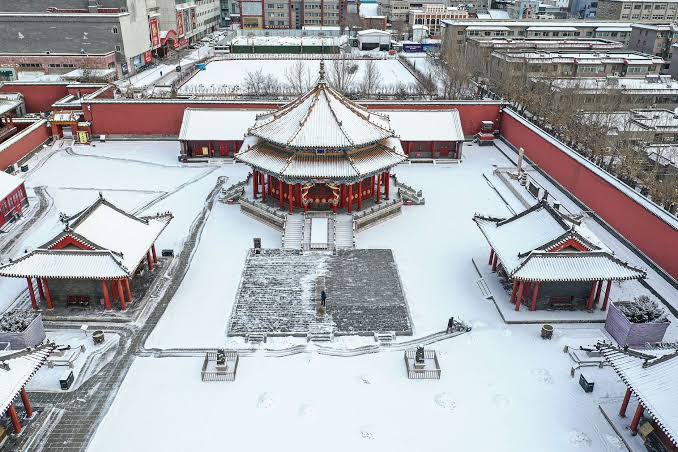
The Shenyang Imperial Palace was the seat of the Qing court until it moved to Beijing in 1644
It is now a UNESCO World Heritage Site
Its oldest corner tells the most. In front of the octagonal Dazheng Hall stand ten pavilions, set out in two rows. Here the leaders of the Eight Banners, the military and administrative system on which the Manchu state was built, conducted their business. It is architecture as a statement of how power was shared: the ruler at the head, his commanders gathered around him, government carried out face to face.
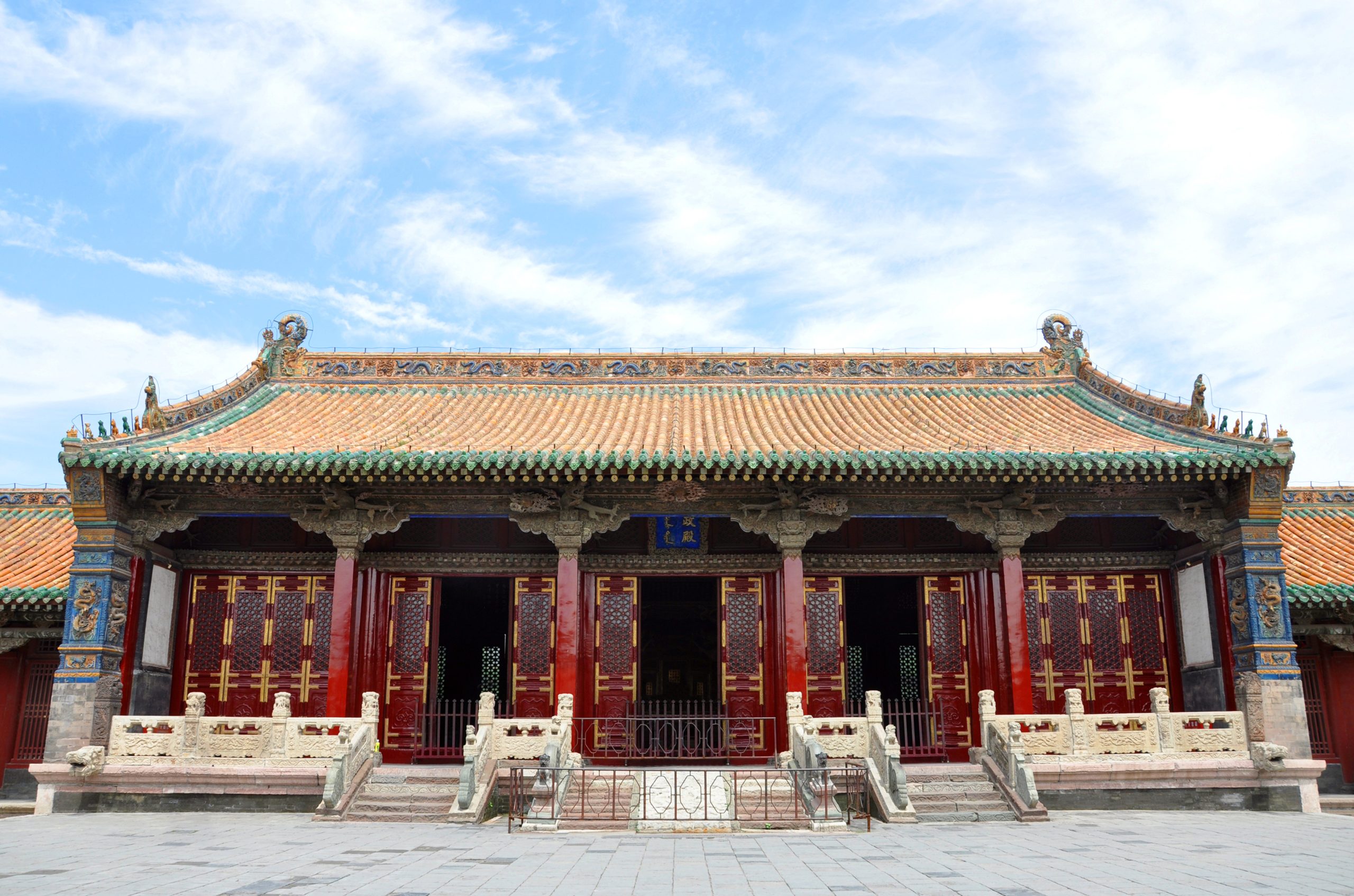 Chongzheng Hall, at the heart of the palace’s central section, built in the reign of Hong Taiji
That idea is not so far removed from the gesture Russell’s hosts made. It says a great deal about doing business in China.Established partners are welcomed as guests, and sharing culture and history is part of building a relationship that lasts. For a trading company, that is no small thing. Contracts and specifications matter, but it is trust, built in person and over years, that keeps supply chains steady when markets are not. We are grateful to our hosts for so generous a welcome.
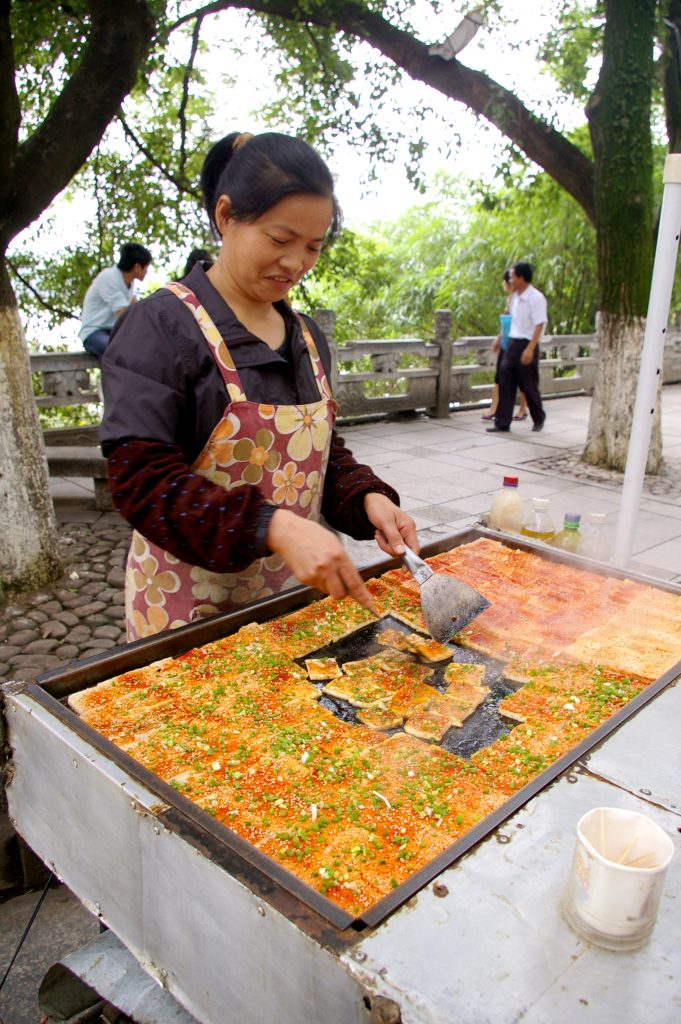
The visit had a personal dimension too. Russell is vegan, and the Northeast is China’s soybean heartland. In the early 20th century the region grew almost all of the country’s soybeans, and neighbouring Heilongjiang still produces close to half of China’s crop. Tofu and soy-based dishes are part of everyday cooking across the region, so Shenyang proved as rewarding at the table as it was in the meeting room.
There is a commercial footnote, too. Domestic production makes up only a small share of what China consumes; around 85 per cent of the soybeans the country uses are imported, making it the largest buyer in one of the world’s most heavily traded agricultural markets. Gapuma follows those flows closely.
CHINACOAT, now in its 30th year, remains a key date in our calendar, bringing together suppliers, manufacturers and buyers from across the coatings, inks and adhesives value chain. Trips like Russell’s are where those conversations turn into lasting partnerships, one handshake, and one shared afternoon of history, at a time.