


Russia’s Wheat Ambitions Could Redraw the Map of European Grain Markets
10th July 2025
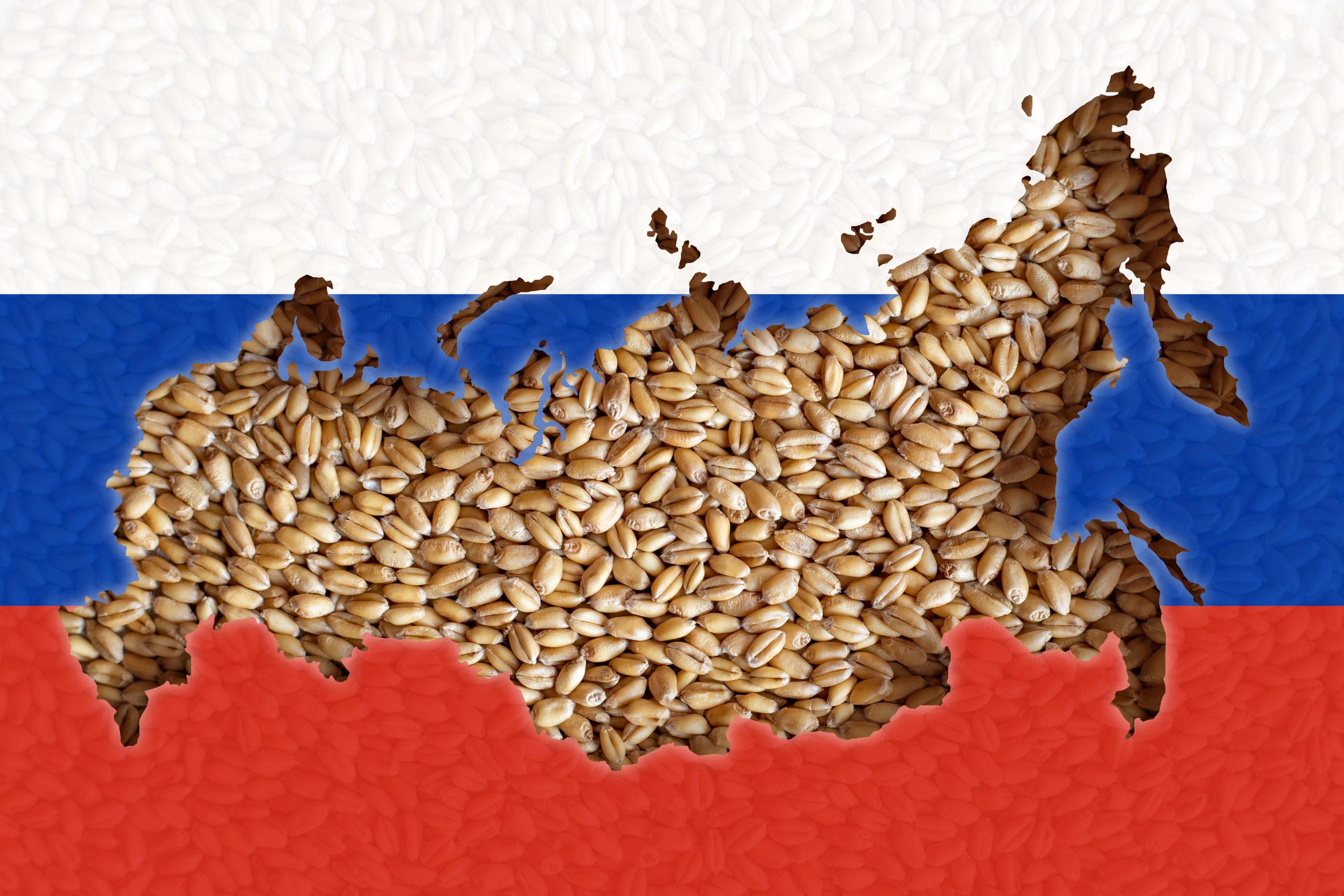
Russia is positioning itself with increasing clarity as the dominant force in global wheat exports, a development that is set to reverberate through European supply chains and pricing structures well into the 2025–26 season. In early July, leading agricultural consultancy SovEcon revised its wheat export forecast for Russia sharply upwards, from 40.8 to 42.9 million metric tonnes (mmt)—a significant year-on-year increase of over 5%.
At a glance, the numbers speak to favourable agronomic conditions. SovEcon cited improved crop outlooks in Russia’s Central region, prompting a corresponding revision in the 2025 wheat production forecast to 83.0 mmt, up 2.0 mmt from June’s estimate. But beneath the surface lies a more consequential shift—one that ties together commodity strategy, currency dynamics, and geopolitical calculus.
“Exporters will likely be able to lower FOB prices if needed while maintaining strong margins,” SovEcon reported, highlighting Russia’s flexibility in undercutting competitors without sacrificing profitability.
That flexibility is now clearly visible in the market. In early July, new-crop Russian wheat was trading at $225–228/mt FOB, marginally cheaper than Bulgarian and Romanian offers of $230/mt. These seemingly narrow differentials carry disproportionate weight in the highly competitive and cost-sensitive grain trade of Eastern and Central Europe.
Russia’s growing command of the wheat market is not simply a matter of good weather. A weaker ruble, low production costs, and a state-backed export apparatus are combining to give Moscow considerable leverage over regional grain flows. In the Black Sea basin—long a linchpin of European wheat distribution—this leverage is now setting the pace.
But Russia will not go unchallenged. Both Romania and Bulgaria expect solid harvests, and Ukraine is repositioning itself to target new export markets amid evolving access constraints to EU buyers. With all three players expected to front-load supply early in the season, the result is likely to be sustained downward pressure on international prices.
“Active wheat exports from the Black Sea region will weigh on global prices,” said SovEcon’s managing director Andrey Sizov.
What is emerging is a more fragmented and fiercely contested marketplace, where competitive advantage will rest not only on output but also on logistical agility, political access, and pricing resilience. The Black Sea, once a shared export channel, is fast becoming a battleground for market share across Europe, the Middle East, and beyond.
As Europe prepares for the 2025–26 wheat marketing season, the implications of this recalibrated export landscape are far-reaching. Procurement strategies, trade flows, and port utilisation patterns will all be shaped by Moscow’s next move—and the ability of neighbouring exporters to respond.
At Gapuma, we continue to monitor these developments closely. The strategic realignment underway in the Black Sea wheat corridor demands rigorous attention, nuanced analysis, and a firm grasp of geopolitical risk—all essential in navigating Europe’s increasingly complex grain economy.