


The Strait That Broke the World’s Confidence
17 March 2026
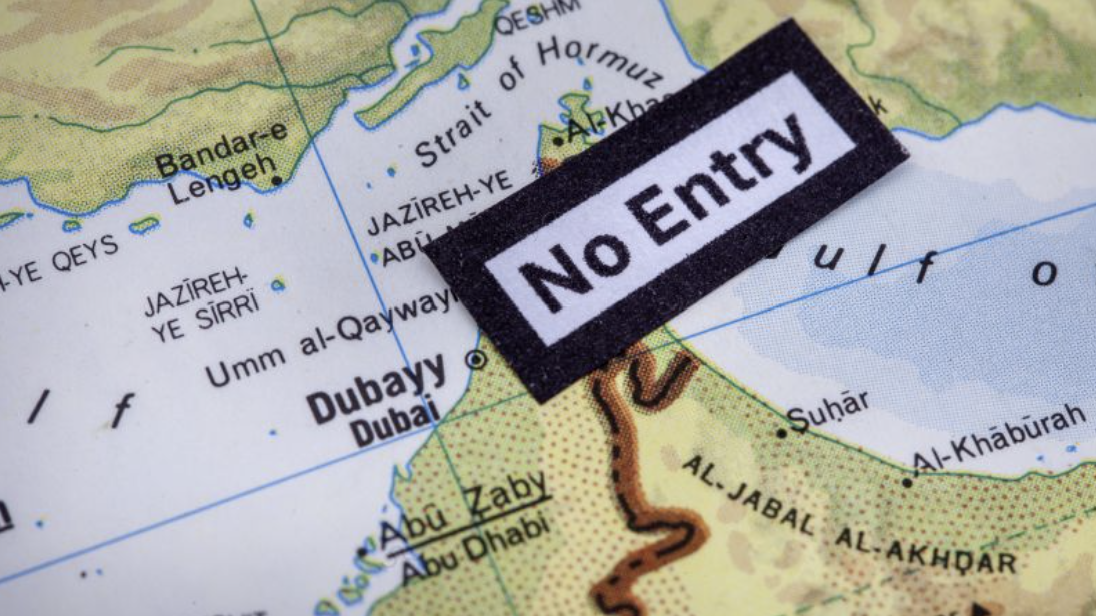
The Strait of Hormuz – a corridor barely 33 miles wide at its narrowest – has not just closed to commercial traffic. It has exposed the paper-thin foundation on which the modern world’s energy economy is built.
At Gapuma Group, we are watching this unfold in real time. The disruption is not abstract. It is operational. War risk insurance has been cancelled wholesale by underwriters. Freight rates on some routes have surged by over 600%. Several of our counterparties in the region cannot get cover at any premium. Ships that could move cargo are sitting still because no insurer will touch them.
The numbers behind the closure are stark. Around a quarter of the world’s daily oil consumption and a fifth of its LNG pass through that single waterway. Qatar has halted LNG production. Iraq has cut crude output. Jet fuel premiums in Europe and Asia have hit record highs. TTF gas prices rallied 70% in less than a week.
But beyond the immediate crisis lies the more troubling long-term question: should we still be this exposed?
The Gulf states have spent the last decade building a compelling alternative model – the “Dubai model” of tourism, logistics, and technology. The World Bank and World Economic Forum were praising their economic resilience as recently as late 2025. That narrative has aged badly in a fortnight.
The honest answer is that a post-oil world is desirable, inevitable – and currently unaffordable at the speed events are demanding. Renewables cannot be scaled overnight. Biofuels offer partial relief – and notably, marine biofuels have held steady where fossil fuel equivalents have spiralled. But the infrastructure, the capital, and the political will for genuine energy independence remain incomplete.
For commodities trading, the lesson is blunt: diversification of supply, route, and risk is not a future aspiration. It is an immediate imperative.