


From Plastic Waste to Elastic Asset
2nd October 2025
New scientific breakthroughs are revealing how waste can be re-engineered into high-value resources — reshaping both supply chains and the wider sustainability landscape.
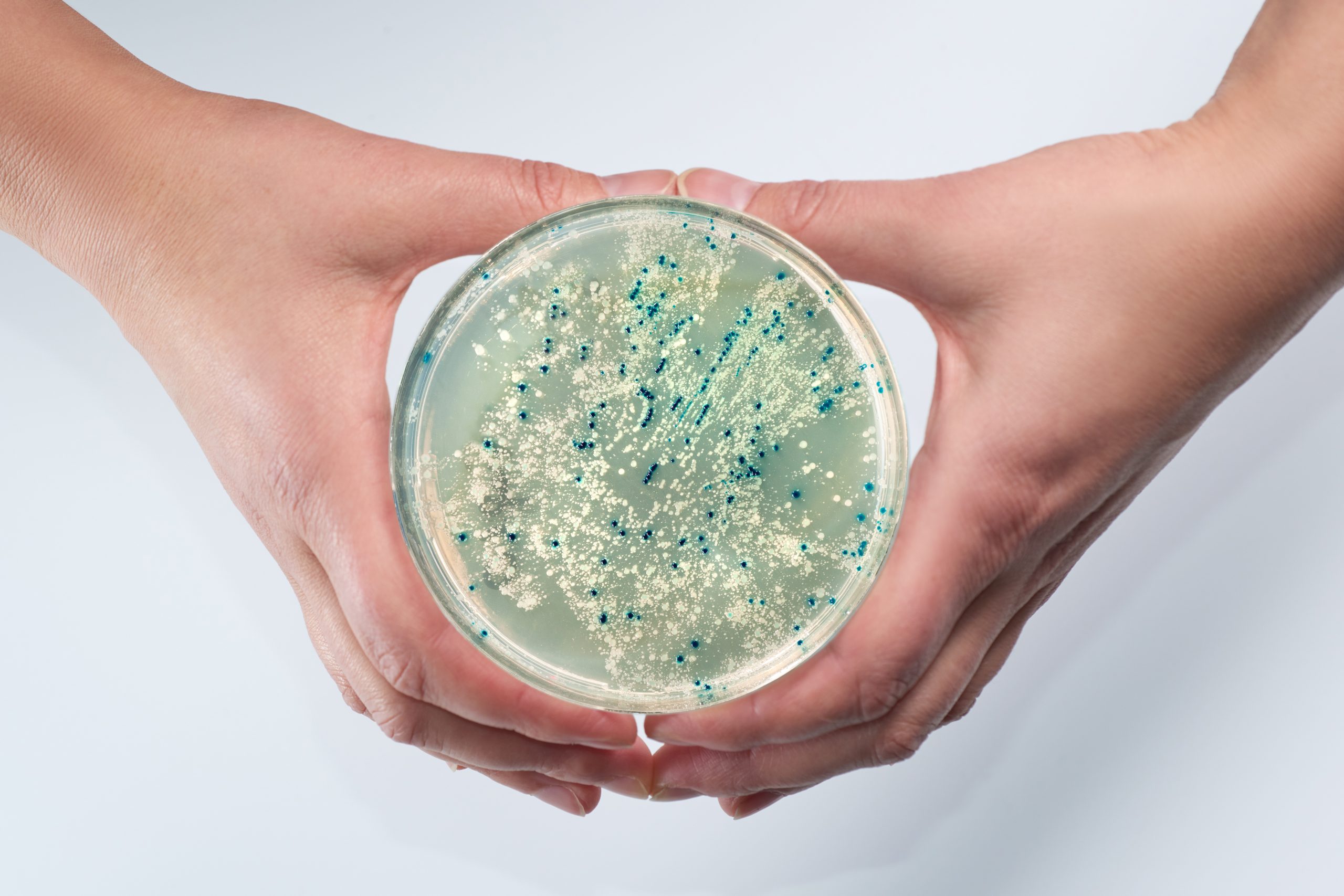
Researchers at the University of Edinburgh have demonstrated how waste plastic can be transformed into something as commonplace as paracetamol, using genetically engineered microbes. At the centre of this process is E. coli: once known primarily as a gut bacterium, now reimagined as a versatile industrial platform capable of producing insulin, flavours, fuels, and a growing list of essential commodities.
For us at Gapuma, this breakthrough represents far more than a laboratory milestone. It signals the direction of travel for global supply chains. If waste can be converted into feedstock, then the long-standing challenge of environmental disposal becomes an opportunity — turning waste into a resource rather than a burden.
This shift has profound implications for commodity markets. It is not about replacing raw materials overnight, but about preparing for a future in which sustainability, efficiency, and resilience are fundamentally interconnected.
This is ESG in action: innovation that lightens the environmental footprint while strengthening the availability of products the world depends on.